

Pediatric FrenectomiesIn Berea
Breastfeeding can be a beautiful bonding experience, but for some families, it can also be painful, stressful, and exhausting. If feeding feels harder than it should, you are not alone, and there is help. Frenectomies can relieve discomfort, improve feeding, and support your child in getting the nourishment they need to grow and thrive. Schedule your appointment today!
Does my child really need a frenectomy?
At Little Roots Pediatric Dentistry, hearing that your infant may need a procedure can feel overwhelming, but frenectomies are simple, safe, and highly effective, with minimal aftercare required. Our approach to pediatric dentistry is always conservative, meaning a frenectomy is only recommended when it is truly necessary. If breastfeeding has been challenging or you notice clicking or popping sounds while your child feeds, a consultation can help determine whether a frenectomy may be beneficial.
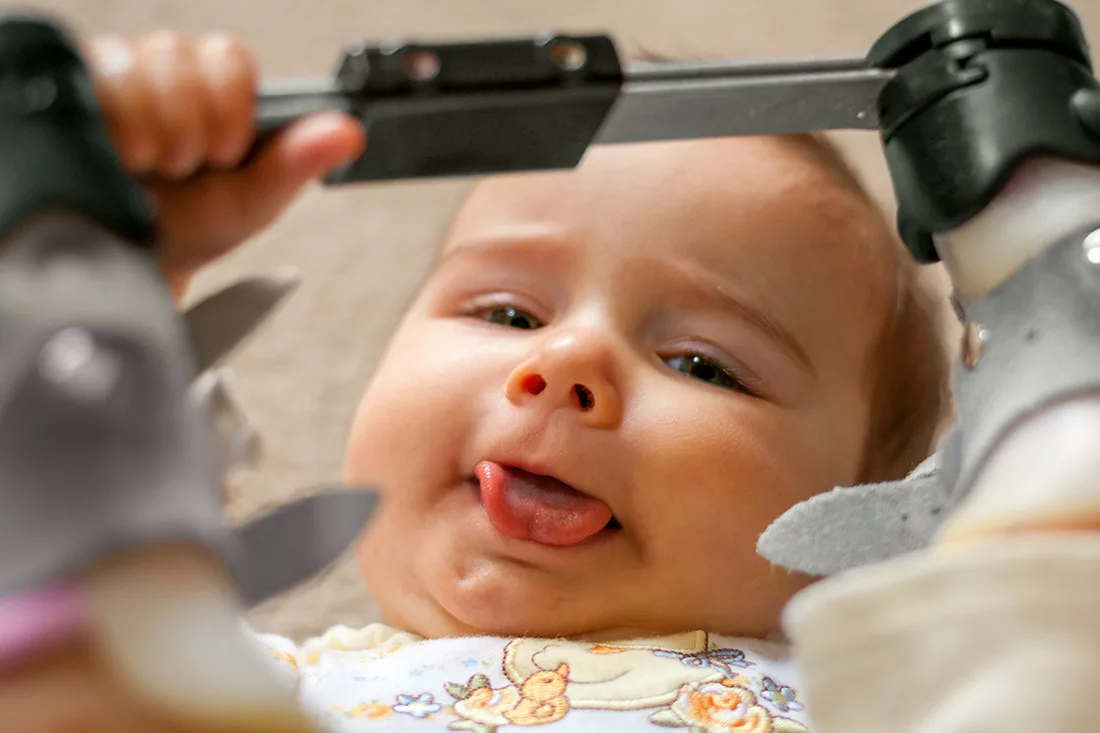
The Benefits of Frenectomies
Experience Better Breastfeeding
Tongue and lip ties can interfere with latching and milk transfer, making feeding difficult and frustrating. A frenectomy helps your baby feed more efficiently and can reduce discomfort for nursing parents while supporting healthy weight gain.
Prevent Speech Impediments
Early treatment can help reduce the risk of speech challenges caused by limited tongue mobility, setting your child up for clearer speech development as they grow.
Improve Overall Eating Ability
By releasing restrictive tissues, older children may find it easier to chew, swallow, and enjoy a wider variety of foods comfortably.
Our Difference

Board-Certified Pediatric Dentist
Rest assured that your child is receiving top-notch, specialized care with our Board-Certified Pediatric Dentist. To be recognized by The American Board of Pediatric Dentistry, doctors must undergo extensive training in the pediatric field in addition to their standard dental degrees.
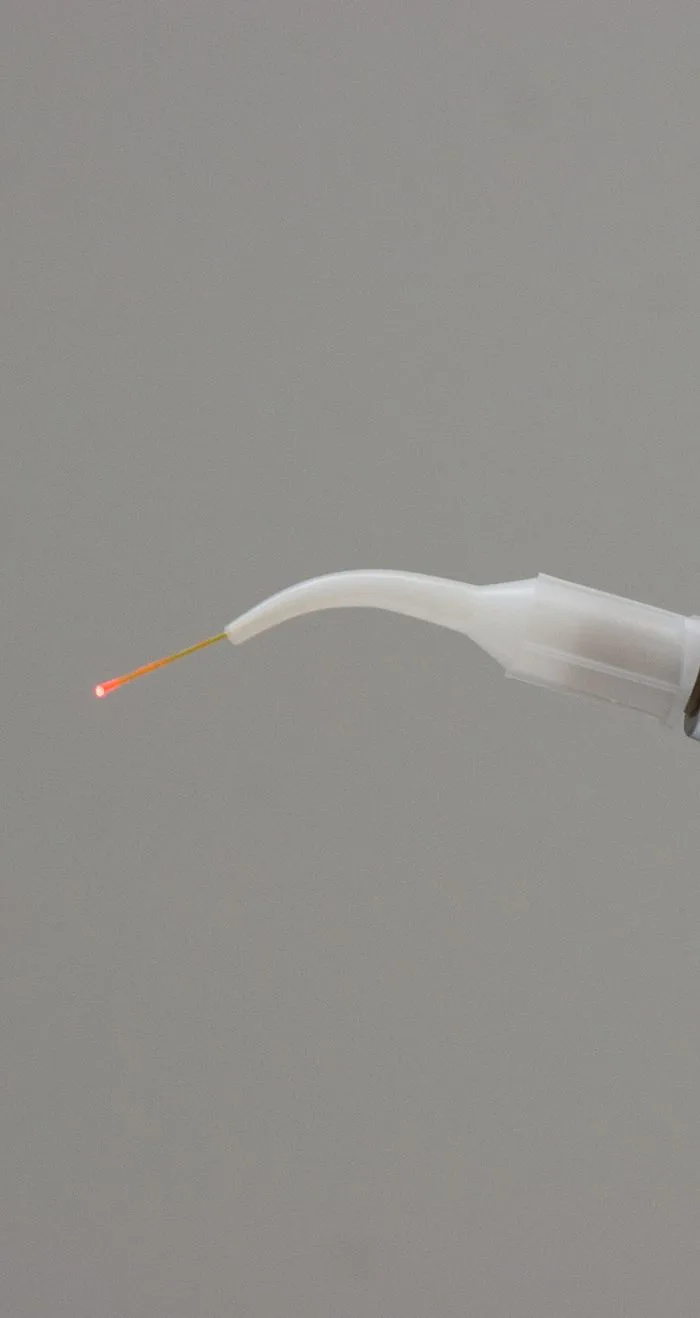
Laser Frenectomies
Our gentle, yet effective laser can correct tongue and lip ties with no pain or discomfort and promotes faster healing. In most cases, numbing is not even required, and the entire procedure takes less than 15 minutes from start to finish.
The Frenectomy Process

Consultation & Local Anesthesia
Our pediatric holistic dentist begin every frenectomy with a thorough consultation. We will listen to your concerns, review feeding challenges, and perform a gentle oral exam to check for tongue or lip ties. If treatment is recommended, the area will be numbed to ensure your child remains completely comfortable throughout the procedure.

Releasing the Tissue
The frenulum can be released in seconds using specialized tools such as a laser or scissors. Laser treatment minimizes bleeding, reduces discomfort, and encourages faster healing. Your doctor will review all options with you before treatment.

Aftercare & Healing
Laser frenectomies typically require no stitches or sutures. Aftercare includes gently cleaning the area twice daily, and we may recommend simple tongue or lip stretches to help prevent reattachment and support proper healing.
FAQs
Frequently Asked Questions
Check out these frequently asked questions, or call us to speak with our team.
Tongue and lip ties, also known as tethered oral tissues (TOTs), occur when the bands of tissue connecting the tongue or lips to the mouth are overly tight or thick, restricting movement. While some ties are mild and may not require treatment, more severe cases can interfere with feeding and oral function, making evaluation by a pediatric dentist important.
Feeding challenges are often the first sign that a frenectomy may be needed. If your child struggles to latch properly, milk leaks from their mouth, or they frequently stop and start during feeds, it could indicate a tongue or lip tie. You might also hear clicking sounds while breastfeeding, which suggests your baby is having difficulty achieving a good seal due to a restricted tongue or lip.
Visual signs are another way to identify a possible tie. A lip tie may be noticeable if your child has difficulty lifting their upper lip or if it appears tight. For a tongue tie, look for limited movement where your child may have trouble sticking their tongue out past their front teeth, or the tongue may look heart-shaped when extended. If you notice any of these signs, it’s important to consult with a pediatric dentist to assess your child’s condition and discuss treatment options.
Not at all! The area is fully numbed, and laser technology helps minimize discomfort and bleeding. Most children recover quickly with little post-procedure soreness.
Frenectomies are often covered by dental insurance. Coverage varies by plan, so we recommend checking with your provider. Even without insurance, the procedure is typically affordable, and our team is happy to help review options.
Aftercare involves gently cleaning the area twice a day and completing any recommended stretches. These steps help prevent reattachment and support proper healing. We will provide clear instructions so you feel confident caring for your child at home.
While frenectomies are most commonly performed on infants, especially in cases of breastfeeding difficulties, they are not exclusive to babies. Older children, teenagers, and even adults can also benefit from a frenectomy if they have a significant tongue or lip tie that affects their oral function. For example, children who develop speech impediments, difficulty eating, or challenges with oral hygiene due to restricted tongue or lip movement may benefit from this procedure. A consultation with a pediatric dentist can help determine if a frenectomy is necessary at any age.