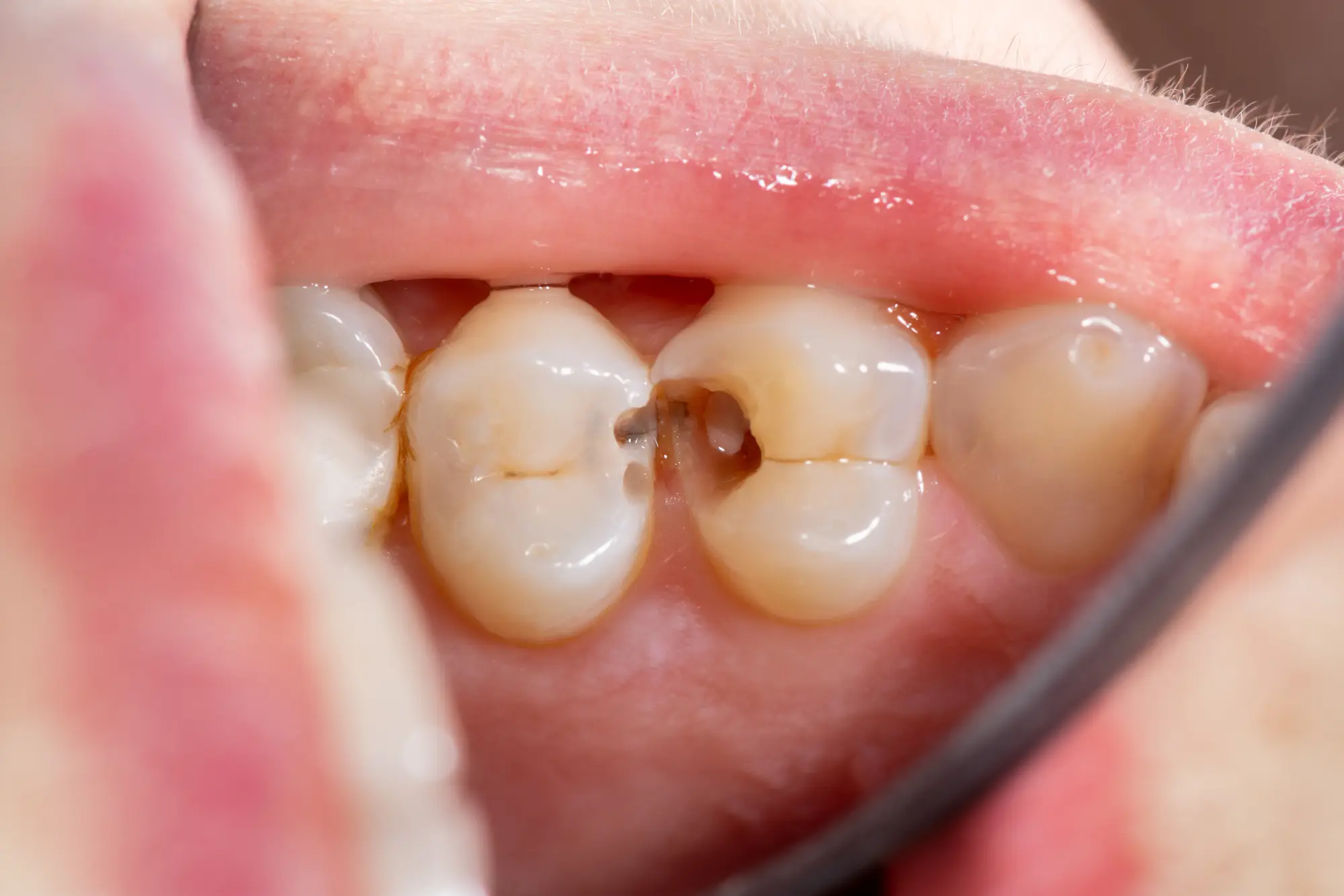
Can Active Tooth Decay in a Toddler Be Stopped Without a Dental Drill or Numbing Shots?
Finding out that your toddler has a cavity can be stressful. Many parents immediately picture a dental drill, a numbing shot, and a frightened little one in the chair. If that's where your mind went, you're not alone, and your concern makes complete sense. Early dental experiences shape how children feel about the dentist for years to come, so we take that responsibility seriously.
Here's the encouraging news: in many cases, active tooth decay in a toddler can be stopped or slowed without drilling and without numbing shots. Pediatric dentistry has come a long way, and today there are gentle, minimally invasive options designed with young children in mind.
At Little Roots Pediatric Dentistry in Berea, OH, Dr. Christi, Dr. Eilish, and our team always start with the same message for worried parents: we have options. Let's talk through what's best for your child, because our goal is never to make anything traumatic or scary.
Yes, There Are No-Drill Options for Toddler Cavities
Every cavity is different, so the right treatment depends on the size of the cavity, where it is, and how your child is doing overall. For many toddlers, minimally invasive treatment is an excellent place to start.
With this approach, there may be no drilling and no removal of the decayed area at all. In many cases, the only numbing we use is a topical numbing jelly applied to the gums, which is the most comfortable option we can offer. The goals of minimally invasive treatment are simple:
- Protect the tooth
- Prevent a toothache
- Keep the cavity from growing larger and becoming a painful problem
For some children, nitrous oxide, often called laughing gas, can also be a helpful option to keep them relaxed during treatment. But we never force a one-size-fits-all approach. How your child is feeling on the day of the appointment matters, and we follow their lead. We'll work together with you to find the solution that feels right for your family.
When a Minimally Invasive Approach Is the Right Choice
Before recommending a no-drill treatment, we need to make sure it's appropriate for the tooth. The most important thing we check is whether there are any signs of infection or spontaneous pain, meaning pain that seems to come on randomly, without a clear trigger like chewing or a cold drink.
These signs help us understand the health of the pulp, the nerve inside the tooth. When a tooth isn't showing symptoms and the pulp appears healthy, minimally invasive options tend to work very well. If a tooth is already infected or causing unexplained pain, a different approach may be needed to keep your child healthy and comfortable. Getting this diagnosis right is the foundation of a treatment plan that actually works.
No-Drill Silver Crowns: Sealing Off Decay
One of the most effective ways to stop a cavity in a baby tooth without drilling is a silver crown placed over the tooth. When the tooth is healthy enough and isn't causing symptoms, the crown can cover the decay and stop the cavity from growing.
Here's what the process looks like, in kid-friendly terms:
- Numbing jelly: We apply a little topical numbing jelly to keep things comfortable. No shots needed.
- Spacer bands: We floss tiny rubber bands between the teeth, similar to the colorful bands kids may have seen at an orthodontist's office. These gently create a bit of space next to the tooth.
- The crown: Once there's room, we size a crown and fit it over the tooth, much like putting on a hat or slipping on a shoe.
That's it. Your child can eat and drink right away afterward.
So how does a crown stop decay without removing it? The crown covers every surface of the tooth that sits above the gumline. Once the decay is completely sealed off, the bacteria causing the cavity are cut off from the oxygen and food sources they need to keep growing. The cavity stops progressing, and the tooth stays safe and protected until it falls out naturally. For the back baby molars, that's often around age 10 to 12, and sometimes a little later.
Silver Diamine Fluoride: A Gentle Way to Slow Decay
Another helpful option is silver diamine fluoride, often called SDF. It's a liquid anti-cavity treatment that slows the progression of the bacteria causing decay.
Applying SDF is about as gentle as dental treatment gets. We brush it onto the affected area with a very soft brush, and the whole process takes about a minute. There's no drilling and no shots.
The benefits of SDF:
- It buys time. SDF is considered a temporary treatment, but that can be exactly what a young child needs. It can help hold a cavity in check until a child is a little older and more comfortable sitting for treatment, or until a baby tooth that's close to falling out comes out on its own.
- It works especially well on smooth surfaces. SDF is particularly effective on cavities along the gumline and other smooth areas of the tooth.
The trade-offs to consider:
- It slows decay rather than fully stopping it. A cavity treated with SDF may still grow, but at a much slower rate than it would if left untreated.
- It causes discoloration. SDF stains the decayed portion of the tooth a dark black color. It only affects the unhealthy tooth structure, not the healthy parts of the tooth, but appearance is always an important consideration, and we'll talk through it with you.
For many baby teeth, especially those that won't be around much longer, the benefits of SDF outweigh the cosmetic downside. We'll help you weigh those factors for your child.
What Happens If a Cavity Is Left Untreated?
It can be tempting to wait on treating a cavity in a baby tooth, especially since those teeth eventually fall out. But a cavity that's left open to the environment keeps feeding the bacteria that cause it. As the decay grows, the risk of a toothache or infection increases.
Baby teeth have important jobs. They help children chew, speak clearly, and hold space for the permanent teeth developing underneath. A painful or infected baby tooth can affect eating, sleep, and overall comfort. Whether we seal off a cavity with a crown or slow it down with SDF, taking action protects your child from these bigger problems down the road.
How Age and Comfort Shape Your Child's Treatment Plan
Age plays a significant role in choosing the right cavity treatment, mainly because it tells us how long the tooth needs to last. A tooth that's expected to fall out in the next year or two may only need treatment that buys a little time. A tooth that needs to stay healthy for many more years calls for a longer-lasting solution. In our experience, how long the tooth will be in the mouth is often the biggest factor in treatment planning.
Comfort and behavior matter too, and they don't always line up with age. An older child who has fear or anxiety about the dentist deserves just as much patience and care as a toddler. We meet every child where they are, and once we understand how long the tooth needs to last and how your child is feeling, we can figure out the rest together.
Preventing Cavities in Toddlers From the Start
The best cavity treatment is the one your child never needs. Prevention starts early, and a few simple habits can make a big difference.
Schedule an early first visit. We recommend bringing your child in by their first tooth or first birthday, whichever comes first. Your toddler might not love those first few visits, just like they might not love their car seat or seat belt. But those are things we do because they're important for health, and early dental visits are the same. Starting early builds a trusted relationship and helps your child grow more comfortable over time.
Brush twice a day, starting with the first tooth. Even though baby teeth eventually fall out, cleaning them twice a day as soon as they appear helps reduce cavities. Your consistent routine at home supports the cleanings we do twice a year in our office.
Offer water between meals. Water helps rinse the mouth and doesn't feed cavity-causing bacteria.
Watch out for hidden cavity culprits. When people think of cavities, they usually think of candy. But some of the sneakiest snacks are crunchy carbs like crackers, chips, pretzels, and fish-shaped crackers. Even options marketed as healthy can break down into sugars that feed bacteria and lead to cavities.
Pair snacks with natural cleansers. Crunchy foods like carrots and apples help clean the chewing surfaces of the teeth naturally. Rinsing with water after meals is helpful too.
Pay attention to breathing. Sometimes families do everything right at home and cavities still show up. One factor that may play a role is breathing patterns. Mouth breathing dries out the mouth and changes the oral microbiome, which can raise cavity risk. If you've noticed your child breathing through their mouth, snoring, or keeping their lips parted at rest, let us know. It's something we look at as part of every exam.
Gentle Cavity Care for Toddlers in Berea, OH
If your toddler has a cavity, please know that you have options, and many of them don't involve a drill or numbing shots. No-drill silver crowns can seal off and stop decay in teeth that aren't causing symptoms, and silver diamine fluoride can slow decay and buy valuable time. The right choice depends on your child's tooth, their age, and how they're feeling, and we'll make that decision together with you.
Dr. Christi, Dr. Eilish, and the team at Little Roots Pediatric Dentistry are committed to creating positive dental experiences that help children feel safe and confident from their very first visit. Whether you're concerned about a cavity or ready to schedule your toddler's first checkup, we'd love to help.
Call Little Roots Pediatric Dentistry in Berea, OH at (440) 325-0818 to schedule an appointment.
Related Posts
Can Active Tooth Decay in a Toddler Be Stopped Without a Dental Drill or Numbing Shots?

How an Advanced CO2 Dental Laser Safely Treats Tongue-Tie for Babies

How Can a Narrow Dental Arch Impact a Child's Nasal Airflow and Nighttime Breathing?