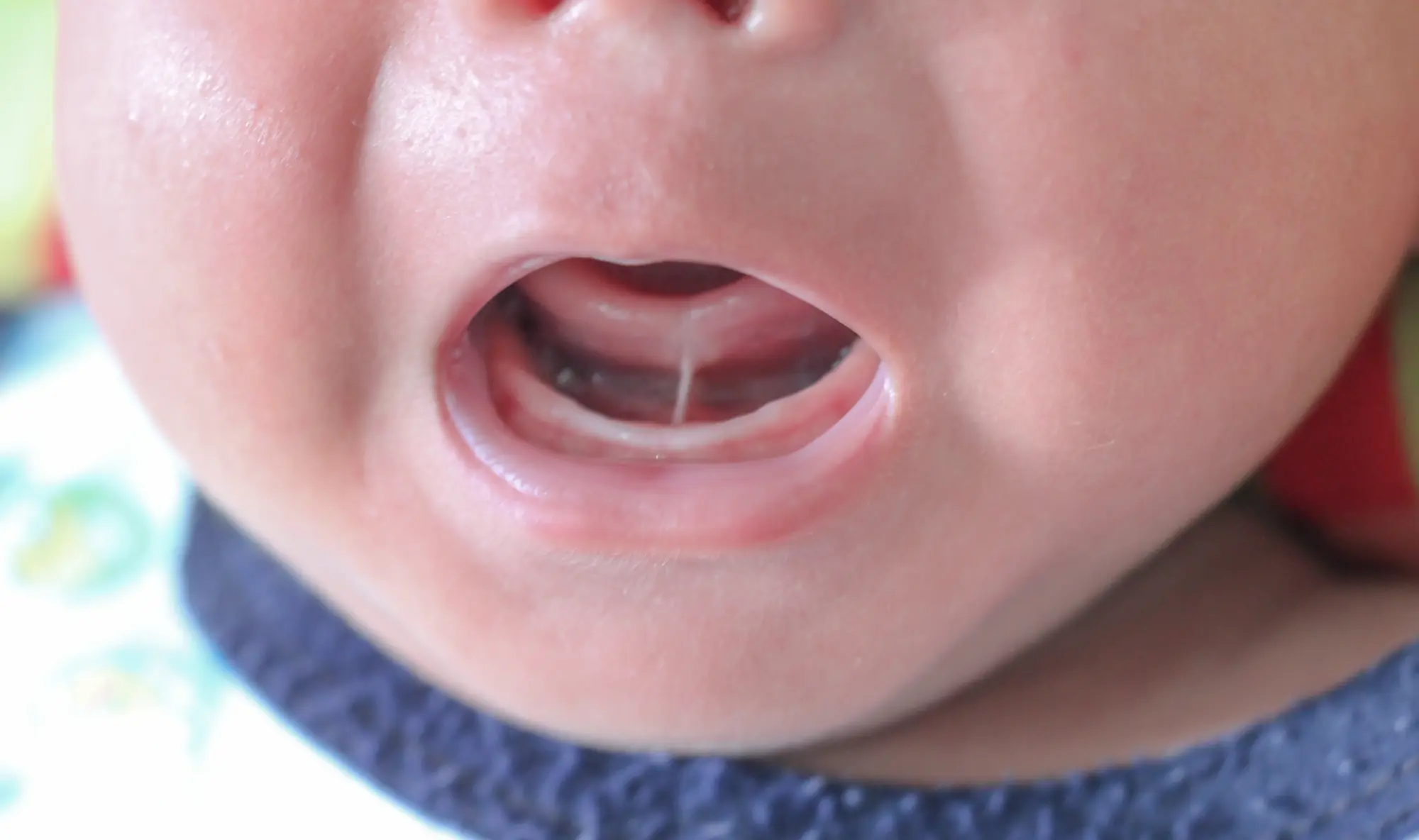
How Do Parents Prevent a Laser Frenectomy Site From Healing Back?
When a family finishes a tongue tie release, there's often a huge sense of relief. The appointment is over, the procedure went smoothly, and it feels like the hard part is behind you. But one of the most common mistakes we see is parents thinking of the tongue tie release as the finish line. We wish it were! In reality, the release is an important first step, and what happens over the following weeks plays a major role in your child's long-term results.
The good news is that parents have a lot of power here. With the right aftercare, a solid plan, and support from your child's care team, you can greatly reduce the chance of the healing site reattaching and help your little one build healthy, lasting tongue function.
At Little Roots Pediatric Dentistry in Berea, OH, Dr. Christi, Dr. Eilish, and our team see ourselves as partners through the entire healing journey, not just on procedure day. Here's what we want every parent to know about preventing frenectomy reattachment.
Why a Tongue Tie Release Is a Starting Point, Not the Finish Line
A frenectomy releases the tight band of tissue that restricts the tongue's movement. Once that tissue is released, the body immediately begins to heal. That's a wonderful thing, but it also means the healing site can sometimes try to heal back together, attaching to itself. When that happens, the tongue tie can essentially return, and the restriction parents hoped to resolve comes back.
Preventing reattachment comes down to two main things:
- Consistent stretches during the healing period to keep the tissue from sticking back together
- Continued adjunct care with the other professionals who help the tongue learn to move and function well
The release creates the opportunity for better function. Aftercare and ongoing support are what help your child make the most of it.
Aftercare Stretches: The Most Important Way to Prevent Reattachment
If there's one thing we hope every parent takes away from this post, it's this: stretching the release site is the single most important step in preventing reattachment.
We know stretches can feel intimidating at first. Many parents worry about doing them wrong or causing discomfort. That's completely understandable, and it's exactly why we take time to walk you through each stretch before you leave our office. Our goal is to explain them in a way that feels truly doable.
At its simplest, the stretching routine comes down to gently scooping and lifting the tongue toward the roof of the mouth, a few times in a row, a few times a day, for about three weeks. That consistent movement keeps the healing tissue from closing back together while it heals.
We'll show you exactly how to position your fingers, how much pressure to use, and how to work stretches into your day so they become part of your routine. And if something starts to feel like too much, or you're unsure whether you're doing it correctly, please come back in. We're always happy to walk you through the stretches again and make sure you and your child are headed in the right direction. You're never on your own with this.
Warning Signs a Frenectomy Site May Be Reattaching
Even with great aftercare, it's helpful to know what to watch for. A few signs may suggest the release site is starting to reattach:
- Returning feeding or speech concerns: If feeding challenges or speech concerns had been improving and start to creep back, that's something we want to know about.
- A site that's harder to stretch: If stretches felt easier a couple of days ago and now it's a real struggle to get your fingers underneath the tongue, the tissue may be reattaching.
- Returning body tension: Tension can show up in different ways in infants and children. If tension that had eased starts showing itself again, it may be a sign of reattachment.
If you notice any of these signs, call us. Catching reattachment early gives us the best opportunity to help get healing back on track.
How Our Laser Approach Supports Comfortable, Precise Healing
We understand that parents want to know their child will be safe and comfortable during a frenectomy. Some babies go through the procedure calmly, while others have a stronger reaction, and both are completely normal. Either way, we do everything we can to make the experience as safe and comfortable as possible.
For babies, that includes:
- Topical numbing gel applied to the tissue to help ensure the most comfortable release possible
- Swaddling, which gives your baby a cozy, secure cocoon while also keeping them safely positioned for treatment
- A CO2 laser for the release itself
We chose to use a CO2 laser in our office because it allows us to be very precise with our technique. It helps us avoid trauma to the surrounding areas of the mouth next to the release site, and it lets us work efficiently, which helps reduce the amount of discomfort a baby or child may feel. It also means we can get your little one back into your arms as quickly as possible.
Choosing technology at the forefront of pediatric care is important to us because we want to provide the best possible experience and outcome for every patient we treat.
What to Expect During the Frenectomy Healing Timeline
Understanding the healing timeline can help you feel more confident during the weeks after a release.
Right after the procedure: The release site starts healing quickly. In most cases, a baby can nurse or feed immediately afterward, and when possible, we encourage it. Feeding provides soothing comfort, supports healing, and gives your baby a chance to start practicing the tongue movements they'll continue building on as they grow.
The first three weeks: The surface of the release site typically takes about three weeks to fully heal. This is why we recommend continuing stretches throughout that entire period. Stopping early, even when things look good, can give the tissue a chance to reattach.
The following months: Healing continues beneath the surface. The deeper tissues keep healing, strengthening, and growing over the next few months, and your child continues gaining new function along the way, including improvements in feeding.
It's also important to remember that every baby and every child heals on their own timeline. Try not to compare your child's progress to someone else's. If you have any concerns about how healing is going, schedule a follow-up and we'll take a look together.
Plan Ahead: What to Have Ready After a Tongue Tie Release
Parents often ask us what products they should buy before a frenectomy. Our answer is that having a plan is much more important than having a product. A little preparation goes a long way toward keeping your child comfortable and supporting healthy healing.
For infants:
- Feeding support: Consider scheduling an appointment with a lactation consultant to support your feeding journey, or have bottles and milk ready to go.
- Comfort through feeding: Breastfeeding and feeding in general offer a lot of comfort, and they also help the tongue practice movement and build function.
- Soothing activities: Babywearing, spending time outside in the sunshine, and bathing together once you've been cleared to do so can all be very calming.
For older children:
- Soft, cool, smooth foods: In the first couple of days, foods like yogurt, smoothies, and applesauce are usually the most comfortable choices.
- Clean hands: Kids naturally want to explore the strange new feeling in their mouth, but we want to keep dirty hands and fingernails away from the healing site. If stitches were placed, this also helps make sure they aren't pulled out before they're ready to come out on their own.
For stretches at any age:
- Gloves and coconut oil: Having these on hand makes stretches easier. Coconut oil helps with lubrication, and gloves help keep germs away from the site, even though the area is well equipped to handle small amounts of bacteria.
Pain relief: We'll recommend pain relief options appropriate for your child's age, including natural options for families who prefer them. Be sure to follow the aftercare instructions we provide and reach out to us with any questions about what's right for your child.
The Role of Your Child's Care Team
A frenectomy works best as part of a bigger picture. Releasing the tissue gives the tongue room to move, but learning to use that new range of motion often takes extra support. That's why we recommend continuing any adjunct care that's part of your child's plan.
Depending on your child's needs, that team may include:
- A myofunctional therapist, who helps retrain the muscles of the tongue, lips, and face for healthy function
- An orthodontist, who can help guide jaw and tooth development
- A chiropractor, who may help address related body tension
- Lactation consultants, speech therapists, and other specialists, depending on your child's age and needs
Each of these professionals plays a role in making sure your child's tongue can move and function properly long after the release site has healed. And throughout the process, our pediatric dental team is here to guide you, answer questions, and help coordinate care when needed.
Get Support for Tongue Tie Aftercare in Berea, OH
A successful tongue tie release doesn't end when you leave our office. Consistent stretches, watching for warning signs of reattachment, preparing a simple aftercare plan, and staying connected with your child's care team all give your little one the best chance at lasting results and healthy function.
You don't have to figure it out alone. Dr. Christi, Dr. Eilish, and the team at Little Roots Pediatric Dentistry are here to support your family every step of the way, from the initial evaluation to the final follow-up. If you have questions about frenectomy aftercare, concerns about healing, or want a refresher on stretches, we'd love to help.
Call Little Roots Pediatric Dentistry in Berea, OH at (440) 325-0818 to schedule a visit or follow-up appointment.
Related Posts
Can Active Tooth Decay in a Toddler Be Stopped Without a Dental Drill or Numbing Shots?

How an Advanced CO2 Dental Laser Safely Treats Tongue-Tie for Babies

How Can a Narrow Dental Arch Impact a Child's Nasal Airflow and Nighttime Breathing?